
Carbonated Drink Filling Machine
Looking for a carbonated drink filling machine for cola, sparkling water, or other CSD in PET, glass, or cans? Beyond Machinery builds isobaric (counter-pressure) rinse–fill–cap systems where CO₂ retention, foam control, and fill temperature drive the design—not the same valves as still water or hot-fill juice.
Share bottle or can drawing, CO₂ volumes, and target BPH/CPM on the first inquiry. We scope monoblocks only or a full soft drink filling line with syrup blending, carbonation, blowing, labeling, and packing. See our carbonated drink production line page for hall-level layouts; for still juice/tea, see juice filling machines (different fill physics).
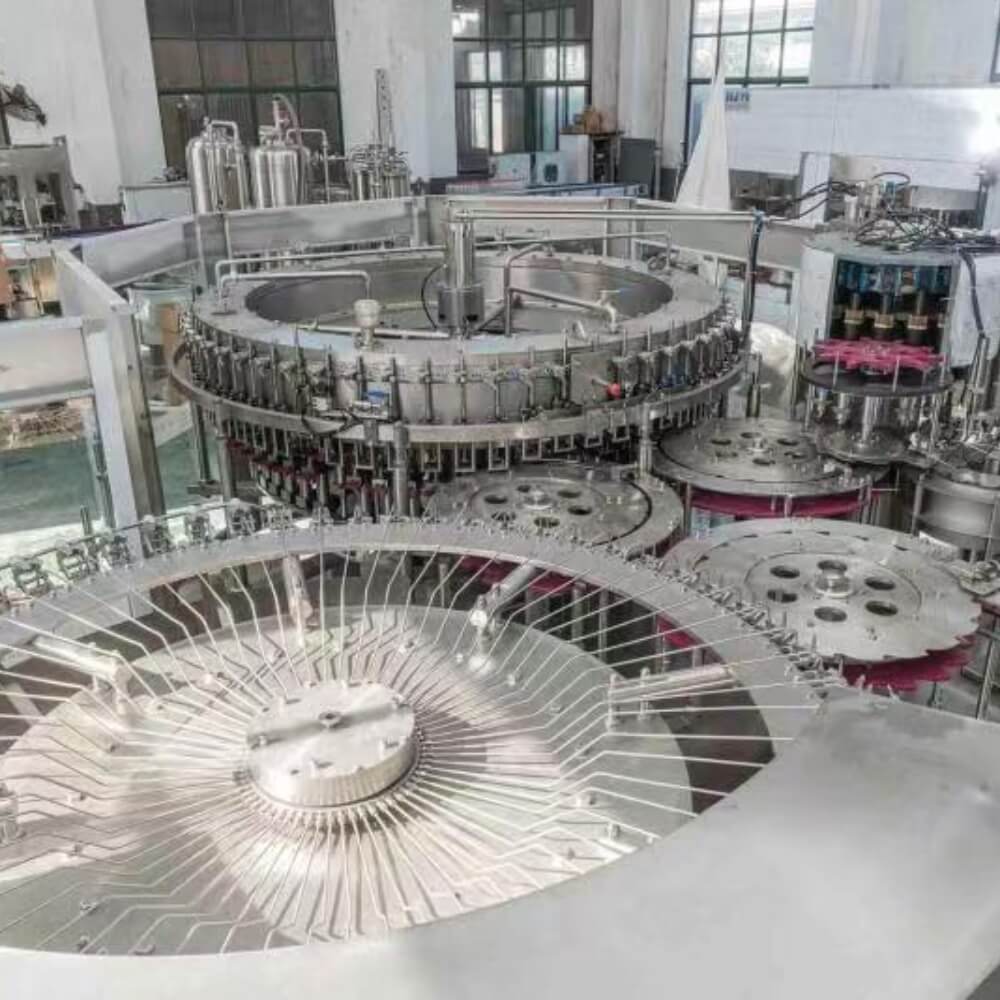
Automatic Carbonated Drink Filling Machines
Our soda filling machine range for soft drinks and carbonated beverages covers PET 3-in-1 isobaric monoblocks, high-speed multi-head fillers, glass bottle CSD lines, and aluminum can counter-pressure systems. A typical PET CSD layout adds de-aeration, carbonation, and cooling upstream of the filler—we help mark those blocks on the first sketch.
Typical applications: cola and flavored carbonated soft drinks in PET; sparkling water and seltzer; glass bottle CSD with crown or aluminum caps; CSD in aluminum cans; mixer / syrup + CO₂ blending before fill.
Not the same as juice hot-fill or still water. CSD needs isobaric filling machine (counter-pressure) technology and de-aerated product paths. Gravity water valves or hot-fill juice monoblocks are not drop-in substitutes.
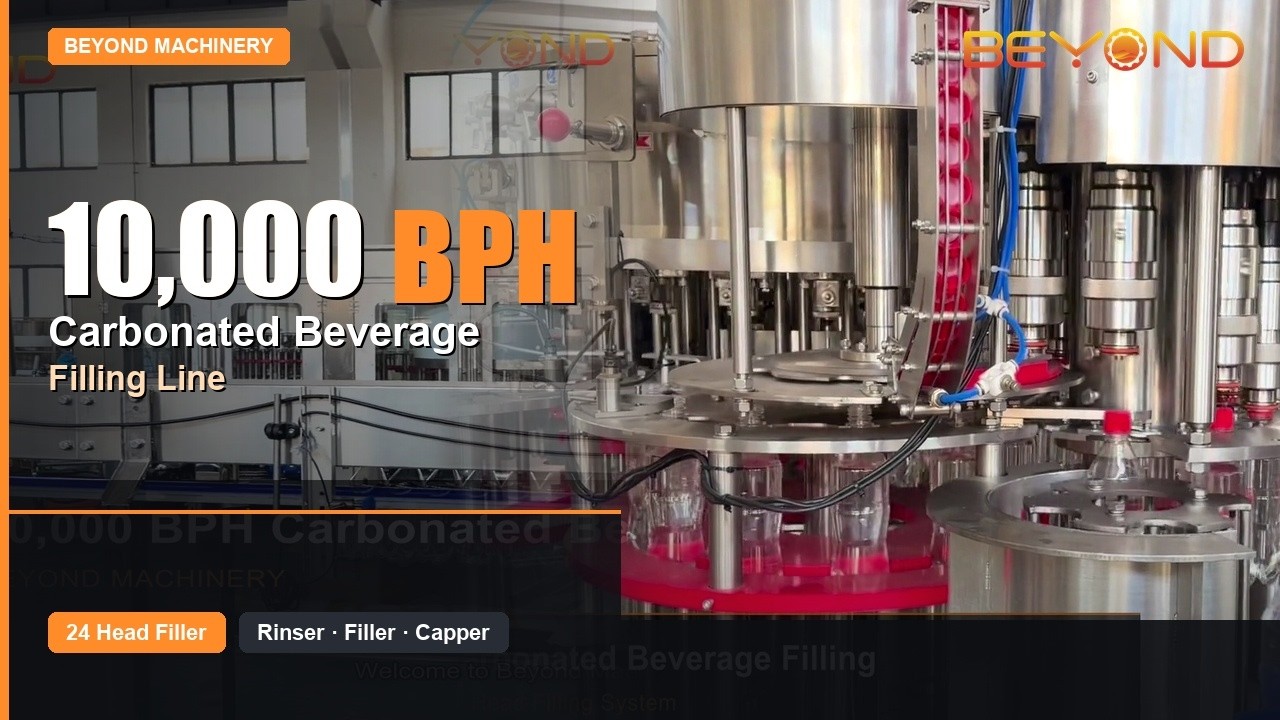
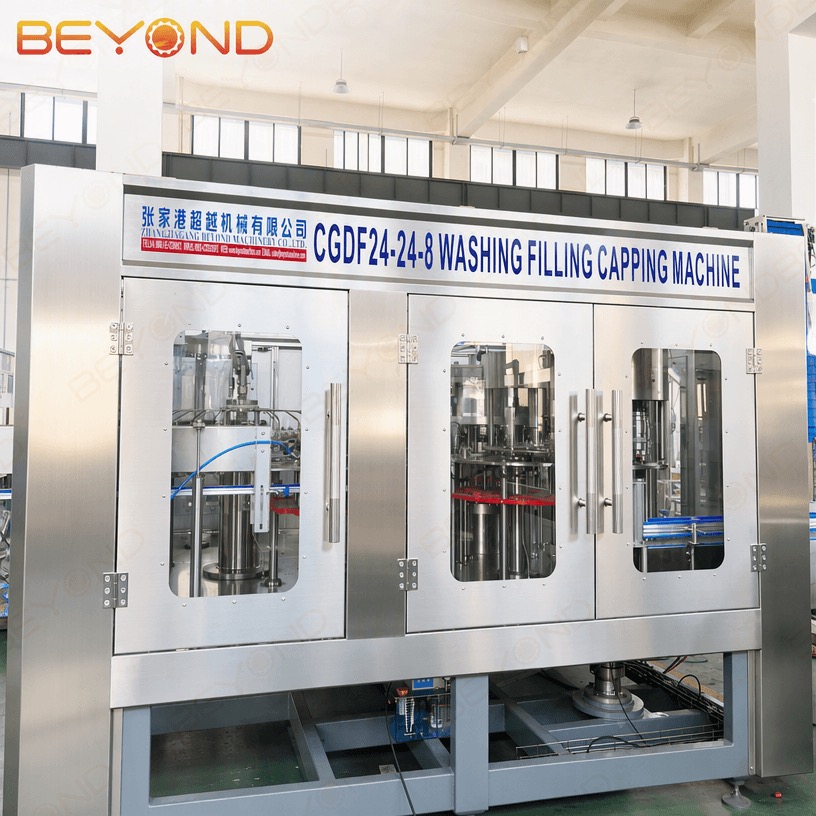
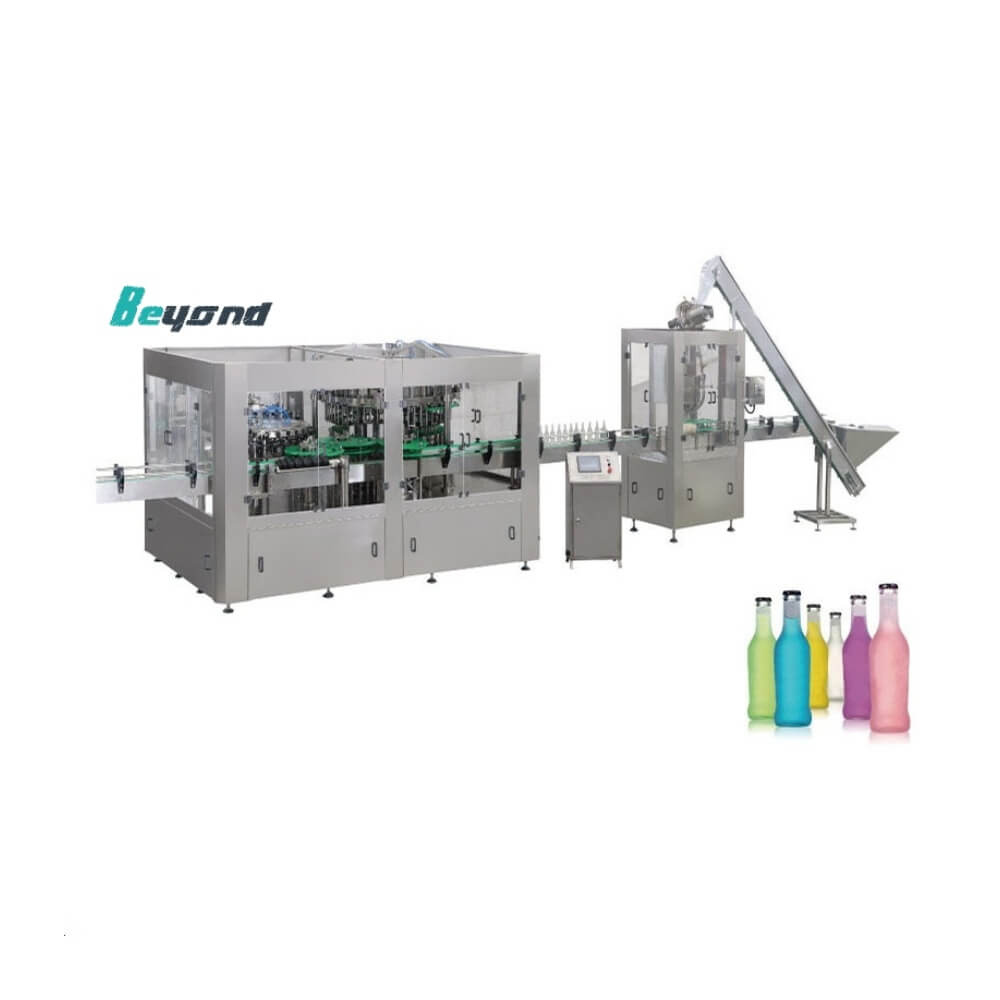
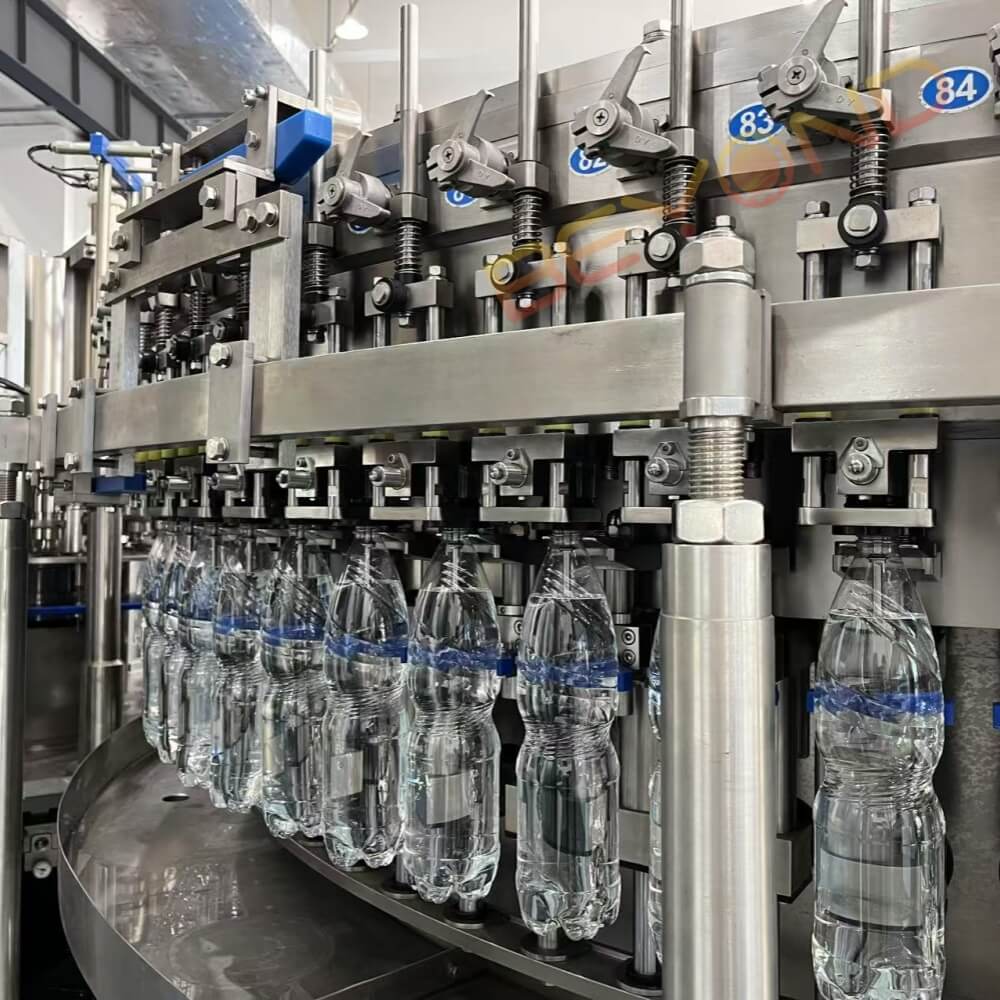
PET Bottle CSD Filling Machines
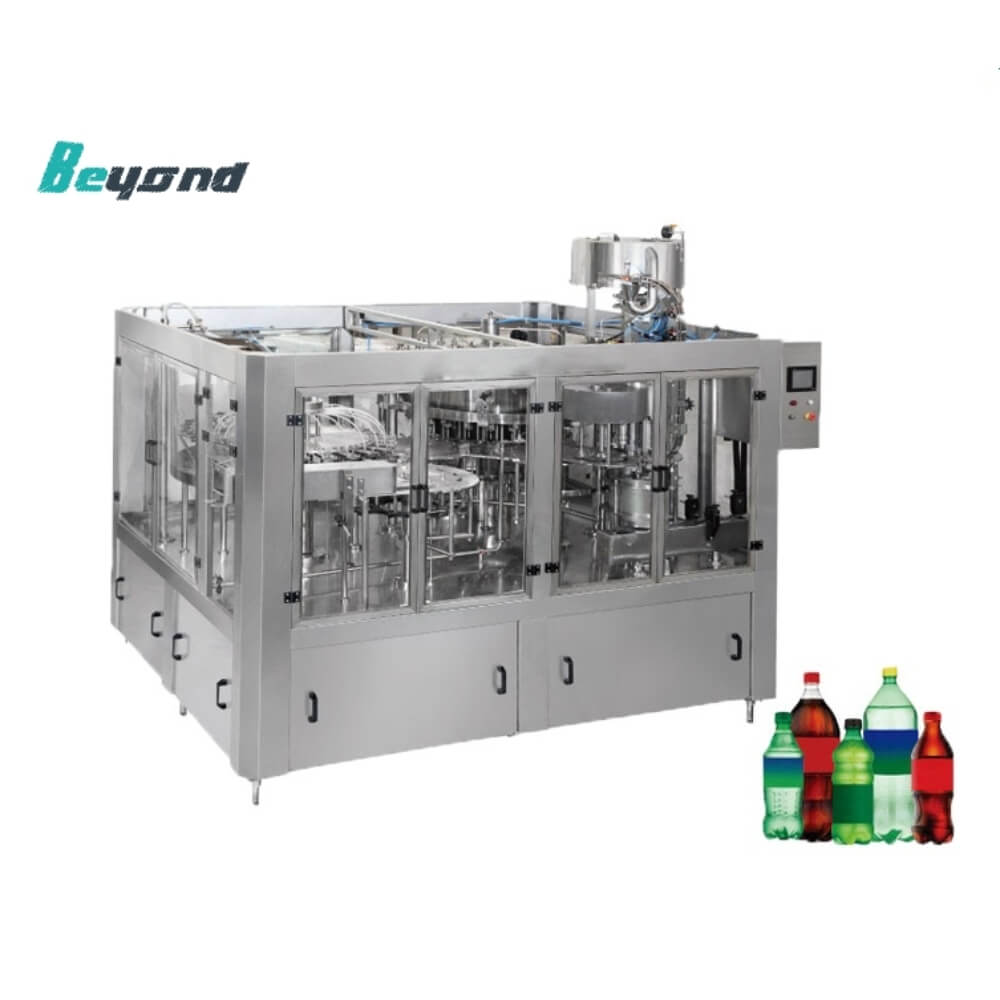
3-in-1 Plastic Bottle Carbonated Drink Filling Machine
-
Applications: Cola, lemon-lime, sparkling drinks in PET
-
Fill method: Isobaric / counter-pressure with CO₂ flushing
-
Integration: PET blowing or combi blow–fill–cap
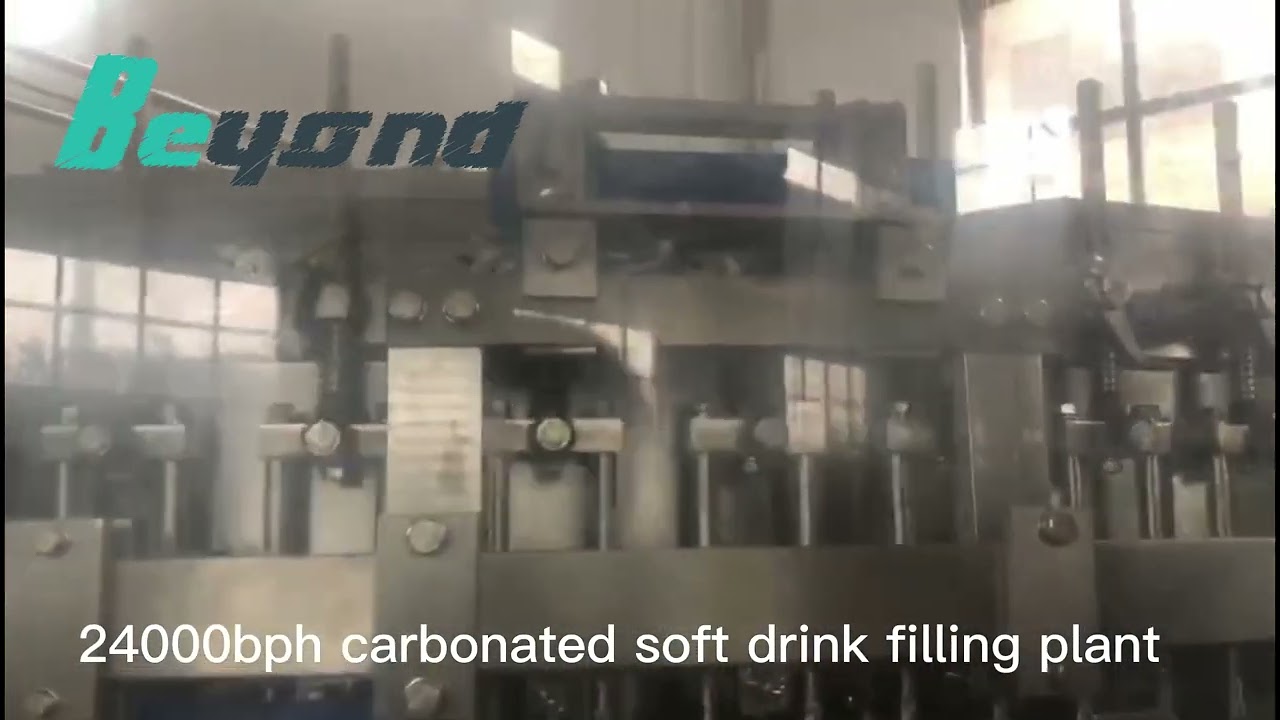
High Speed 24000BPH Carbonated Drink Filling Machine
-
Applications: High-output PET CSD plants—cola, sparkling water, flavored soda
-
Capacity: Up to 24,000 BPH class (quoted to bottle and CO₂ spec)
-
Fill method: Rotary isobaric monoblock for heat-set PET
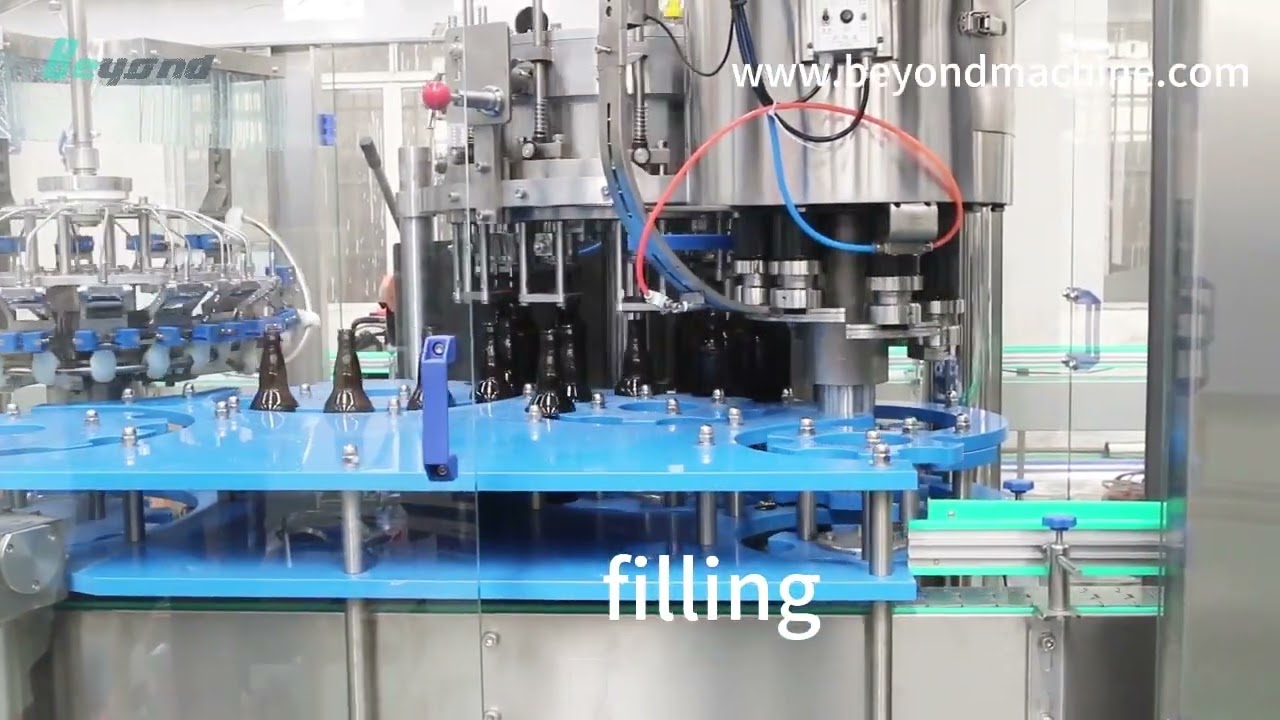
Glass Bottle Carbonated Water / CSD Filling Machine
-
Applications: Glass CSD with crown or aluminum caps—sparkling water, cola, premium soda
-
Fill method: Isobaric fill bowl and capper matched to bottle height and carbonation level
Glass Bottle & Can CSD Options
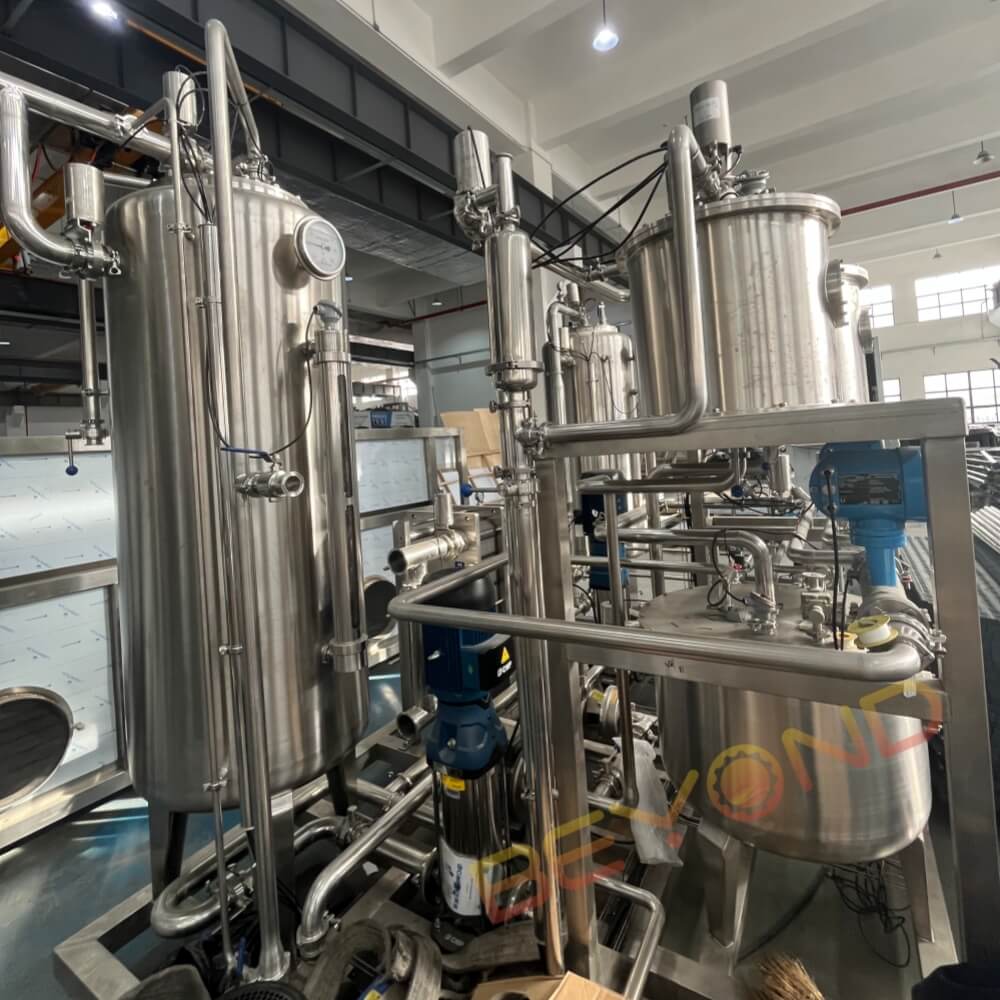
10T Beverage Carbonation & Mixing Machine
The 10T beverage carbonation & mixing machine sits upstream of your isobaric filler—blending syrup, dosing CO₂, and de-aerating product so carbonation targets hold once the line runs. We scope it with the monoblock when CSD is mixed on site rather than delivered pre-carbonated in bulk.
-
Applications: Syrup + CO₂ dosing for PET and glass CSD lines; cola, flavored soda, and sparkling water recipes mixed before fill
-
Capacity: 10T class mixer—confirm recipe, Brix, and peak hourly demand on inquiry
-
Typical modules: De-aeration, chilling, and carbonation control linked to filler bowl pressure—not a standalone tank dropped in without tuning
-
Integration: Share whether product arrives as concentrate, finished syrup, or full formula—we mark mixer size and pipe routing on the first layout sketch
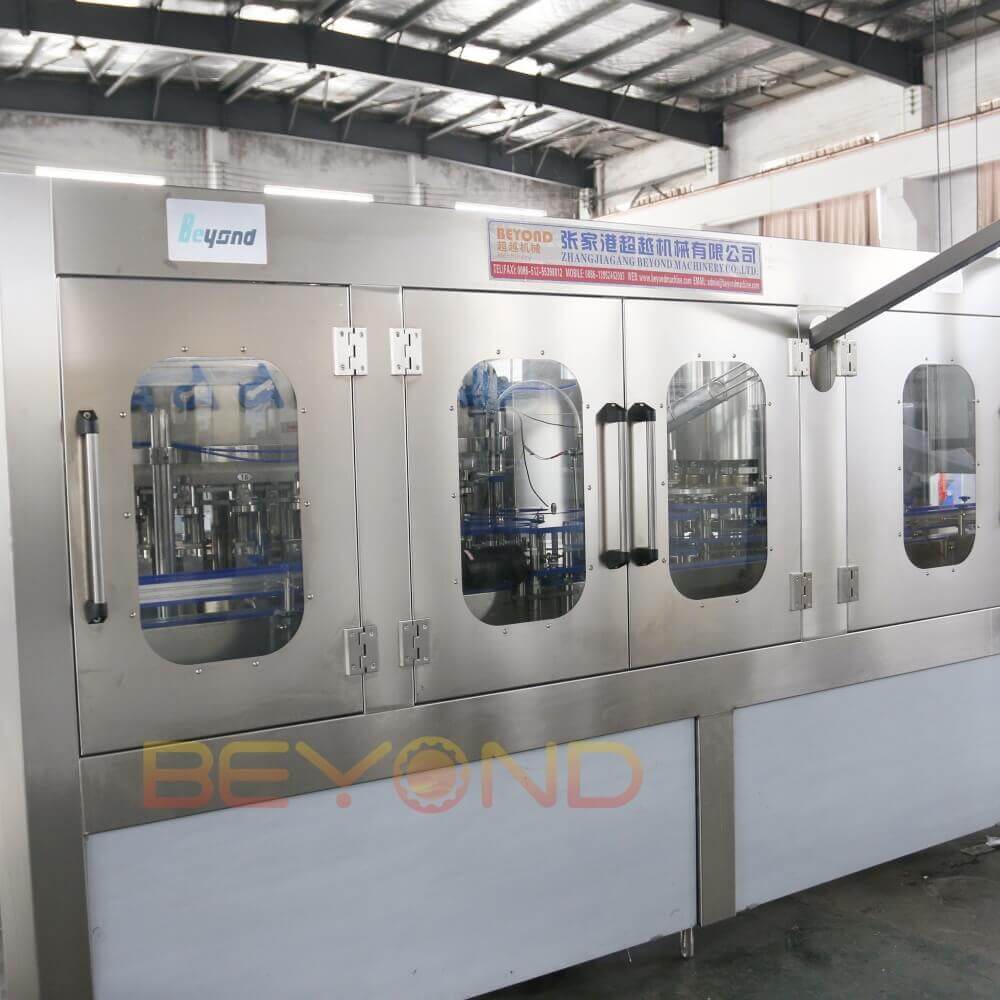
Automatic Carbonated Soft Drink Can Filling Machine
Our automatic carbonated soft drink can filling machine runs aluminum cans through CO₂ purge, counter-pressure fill, and double-seam closing in one continuous path—built for cola, lemon-lime, sparkling water, and other CSD where foam and seam integrity matter as much as fill level.
-
Applications: CSD and sparkling RTD in standard and slim aluminum cans; counter-pressure fill before seaming to limit foam and protect carbonation
-
Fill method: Isobaric / counter-pressure with CO₂ flushing—separate from still-water or hot-fill juice lines
-
Integration: Pairs with depalletizer, rinser, and can filling machine modules for multi-format plants; share can height, diameter, and target CPM on inquiry
-
Pro tip: Send can drawing, CO₂ volume, and product temperature—we quote valve and seam setup from that, not a generic speed table
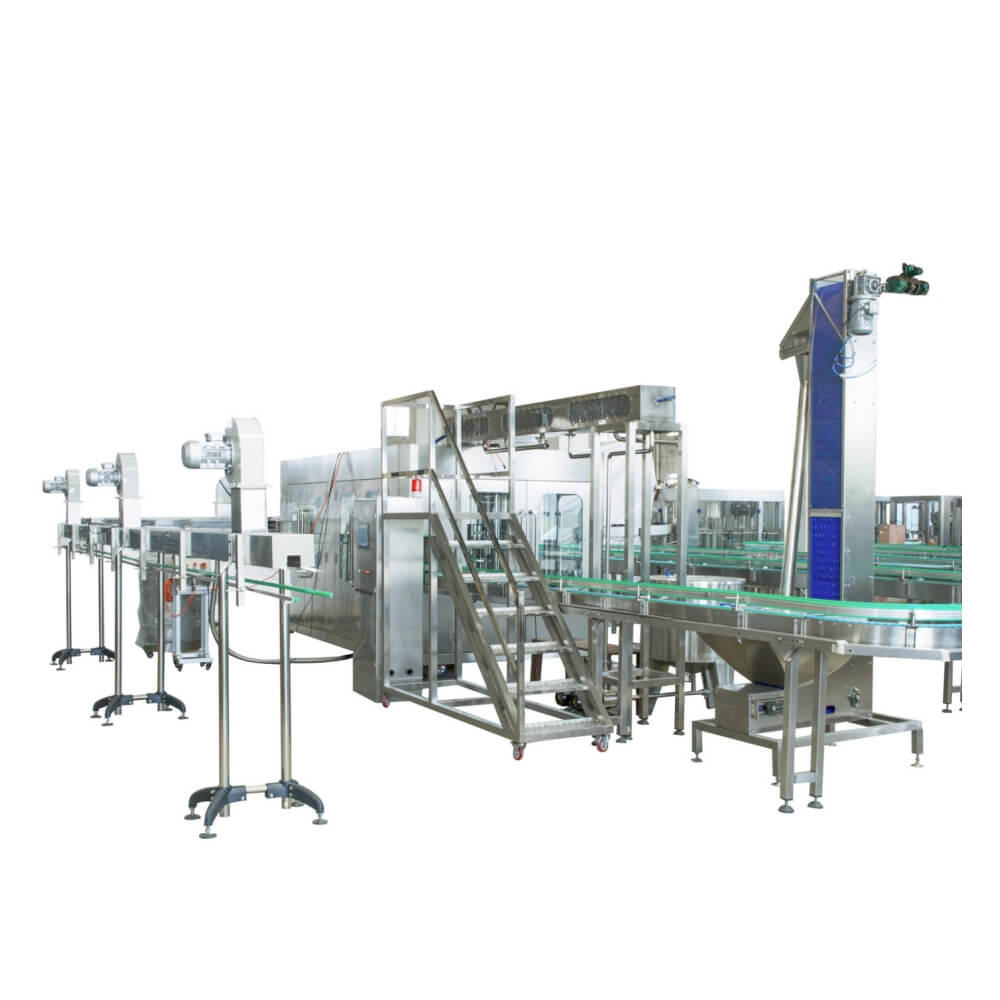
Automatic Beverage Canning Filling Machine for Efficient Packaging
This automatic beverage canning filling machine is scoped for efficient RTD carbonated packaging—purged, filled under pressure, and seamed before cans leave the filling island. Layout targets stable seaming and repeatable fill levels when line speed steps up.
-
Applications: RTD carbonated beverages, flavored sparkling drinks, and mixer-style CSD in aluminum cans; suitable for greenfield canning halls or can lines added beside PET CSD
-
Core advantages: Integrated carbonated can filling machine path—CO₂ pre-purge, counter-pressure fill bowl, and seamer tuned together so foam does not fight the double seam
-
Line fit: Conveyor height, can size changeover, and CIP scope documented at FAT; pairs with labeling and packer blocks when you need fill-to-carton in one quotation
-
Quote with: Can format, target CPM, CO₂ spec, and whether product is pre-mixed or blended upstream
Isobaric Filling Technology
-
Isobaric filling balances headspace CO₂ with product pressure so carbonation stays in the bottle and foam stays controlled.
-
Share target CO₂ volumes, product temperature, and whether the recipe foams—we quote bowl size and head count from that.
Complete a Whole CSD Production Line
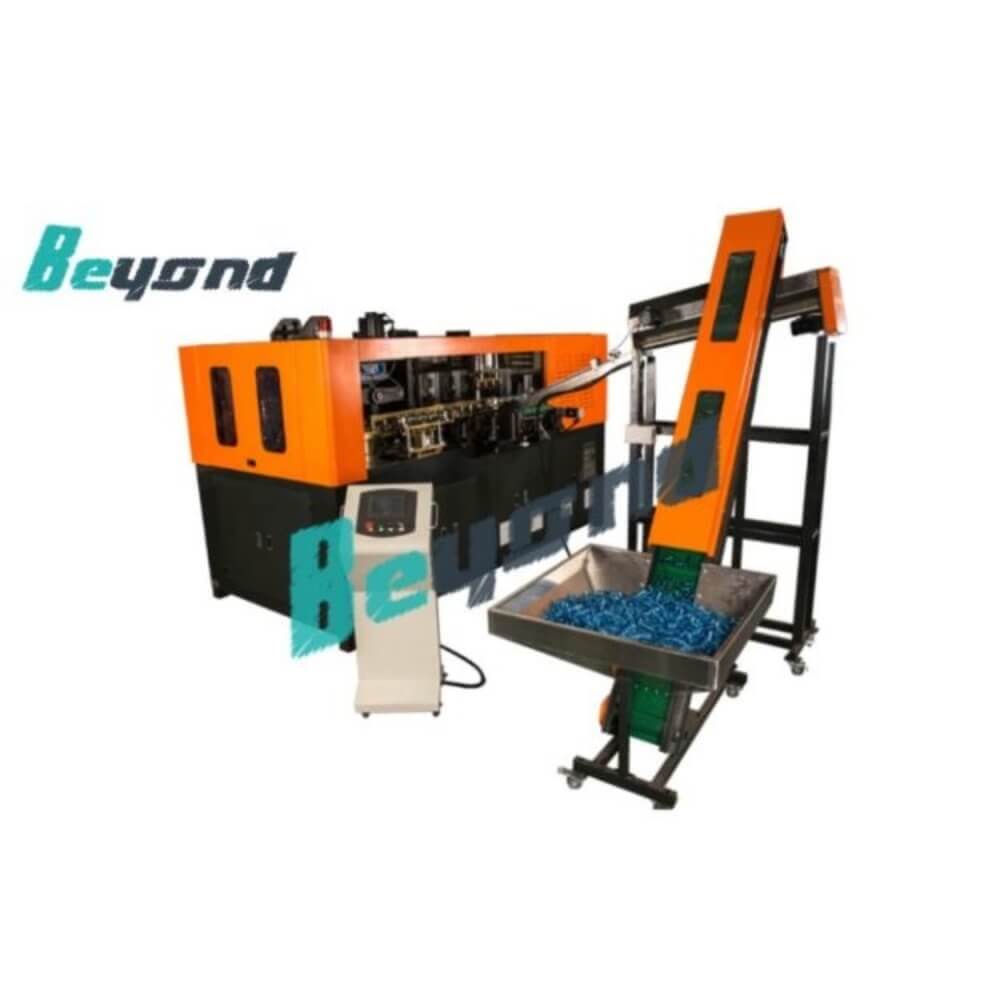
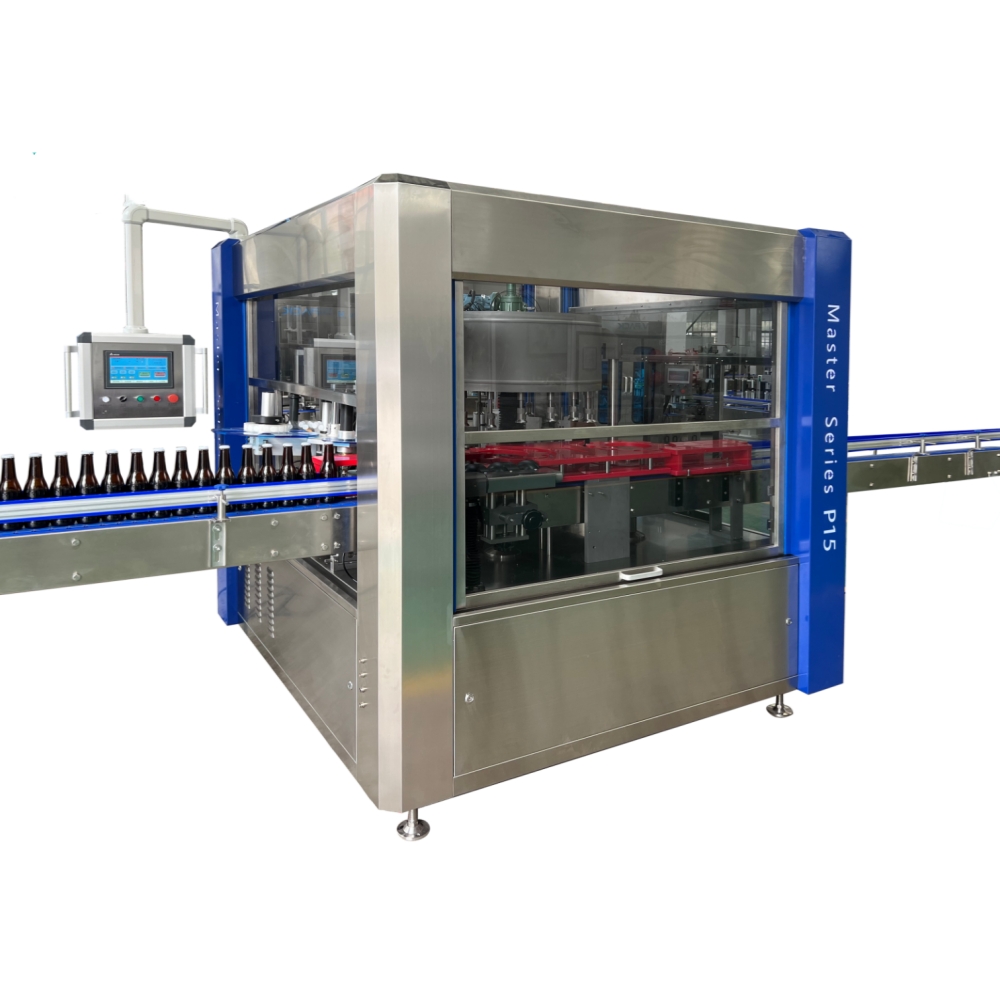
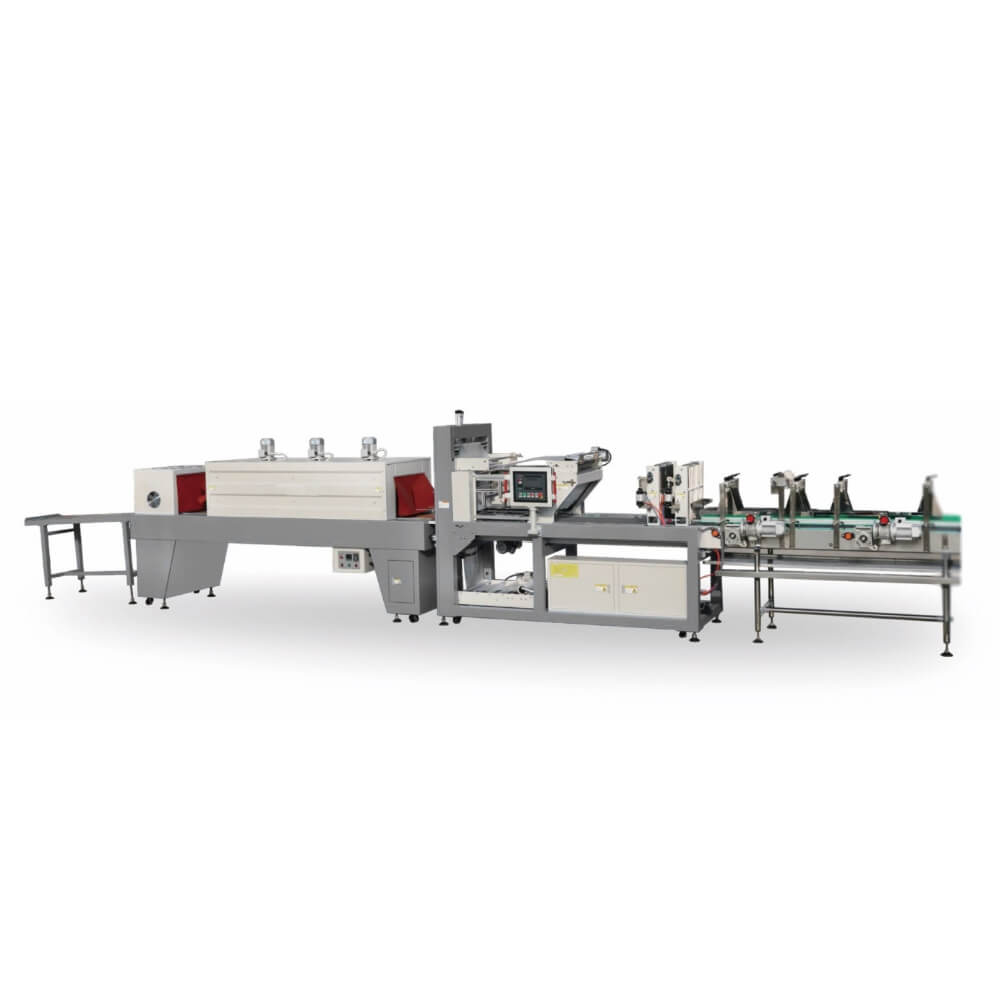
A single isobaric monoblock is rarely the whole factory. A complete CSD layout may include PET blowing or glass depalletizing, syrup blending and carbonation, spray cooling, labeling, and shrink or carton packing—we map modules against what you already operate.
Why Choose Us
Customized Solution
Bottle height range, cap type, pulp level, and cleaning protocol (CIP) are quoted from your brief—not from a generic catalog speed table.
Perfect Service
Installation guidance, spare valve kits, and remote support after FAT. 2-year warranty, wear-part replacement, and lifetime technical support per contract.
CSD-specific engineering
Isobaric bowls, de-aeration, and foam management—not a still-water filler with extra CO₂. PET, glass, and can formats scoped to your market.
Reliable Quality
Stainless product path, stable isobaric fill, and agreed fill-level band at FAT with your bottles and carbonation spec.
FAQ for CSD Machine
1. What is isobaric filling and why does CSD need it?
Answer: Isobaric (counter-pressure) filling balances CO₂ pressure inside the bottle with the product stream so carbonation is not lost and foam is controlled. Still-water gravity fillers are not interchangeable for cola or sparkling drinks.
2. Can your carbonated drink filling machine run juice or tea?
Answer: Only if the product is carbonated and the fill path is spec’d for it. Hot-fill juice/tea belongs on juice filling machines—different temperature and valve design.
3. PET or glass for my soda project?
Answer: PET suits scale and weight; glass suits premium or returnable pools. CO₂ stability and cap type follow the package—send drawings for both if undecided.
4. Do you supply the carbonation mixer too?
Answer: Yes—syrup blending and CO₂ dosing can be scoped with the filler. Share whether product arrives pre-mixed or is blended on line.
5. How accurate is fill level on a soda filling machine?
Answer: Depends on foam, temperature, and isobaric settings. We quote against your bottle and acceptable level band—not one generic ± number for all recipes.
6. Can you integrate blowing and packing?
Answer: Yes—combi blow–fill–cap or separate blowing, plus labeling and packing modules in one layout.
7. What information do you need for a quote?
Answer: Bottle/can drawing, cap type, CO₂ volumes, syrup/Brix, target BPH/CPM, and utilities. Sample product or formula sheet helps tuning range.
8. How difficult is CIP on CSD equipment?
Answer: Sugar syrups and foam residue in isobaric bowls need defined CIP—caustic wash, acid rinse, sanitizer—with set temperature, flow, and contact time. De-aeration and product lines are included in the scope we document at FAT. More complex than still water; less pulp burden than juice nectar lines.
9. Is the equipment export-ready?
Answer: English documentation, electrical drawings, and voltage options for overseas installs.
10. CSD bottle vs can—which line fits?
Answer: Send package drawing and product spec. We suggest PET isobaric, glass CSD, or can filling machine paths—or redirect to water/juice categories if the product is not carbonated. Dedicated can lines are scoped on that can category, not this bottle CSD page.
General FAQ
What are the payment methods?
Typically T/T; L/C for qualified projects on proforma.
How long is the delivery time?
Quoted after specs fixed—depends on monoblock size and customization.
How long is the warranty period?
We provide a 2-year warranty on the machine, free replacement of wear parts during the warranty period (excluding consumables such as seals, filters, and other parts consumed in normal operation), and lifetime technical support—remote troubleshooting by video or email, spare-parts guidance, and optional on-site commissioning can be scoped in your contract.
How about the quality of the equipment?
FAT with your bottles and carbonated product—or agreed substitute—before shipment; CO₂ and fill level on checklist.
How to place an order and what services are provided?
Inquiry → layout → quotation → contract → production → FAT → shipment → installation guidance.
How about technical support and after-sales service?
We provide lifetime technical support together with the 2-year warranty—remote troubleshooting by video or email, spare-parts guidance, and free replacement of wear parts during the warranty period (consumables excluded). Isobaric parameter backup and recommended spare valve/seat lists help reduce downtime. On-site commissioning or emergency visits can be scoped in your contract.
How about the price and cost-effectiveness?
Follows BPH, isobaric head count, automation, and line scope—not filler price alone.
What about security and compliance?
Food-contact materials and electrical safety to agreed standards; list certifications in inquiry.
Is there customization capability?
Bottle height, CO₂ volume, fill bowl size, and cap type are quoted from your brief—not a generic speed table.
What about the failure rate and maintenance convenience?
Stable isobaric fill with defined CIP paths. We document CO₂ settings and spare valve lists at handover.

