
Juice / Tea Filling Machine
Looking for a juice filling machine that matches your recipe—not a water filler with a different label? Beyond Machinery builds rinse–fill–cap systems for fruit juice, nectar, tea drinks, and related beverages in PET and glass bottles, plus can and cup formats where your project needs them. Most juice lines here are hot-fill or hygienic-design; viscosity, pulp, and fill temperature drive the valve and path choice more than bottle size alone.
If you are planning a full juice bottling machine layout, start with bottle drawing, target output (BPH or CPM), and whether the product is still juice, pulp juice, or tea. See our bottling plant page for how those blocks connect.
Automatic Juice Filling Machines
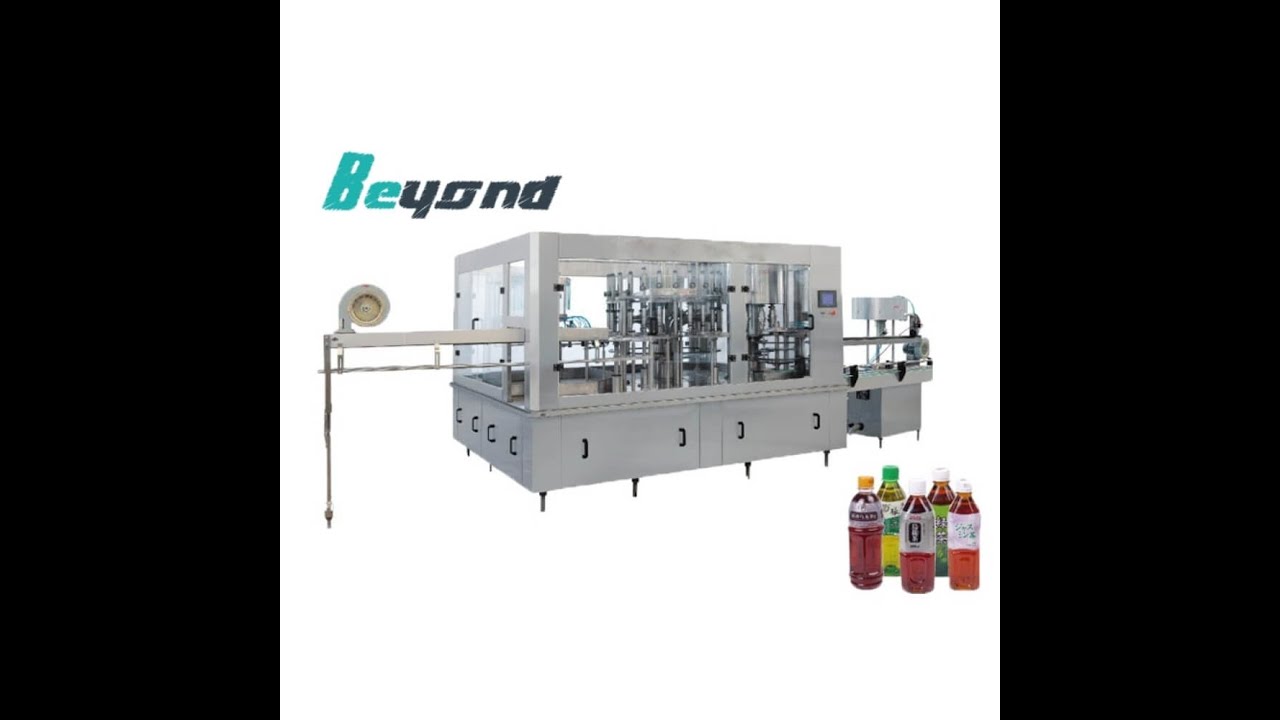
Our automatic juice filling machine range covers PET hot-fill monoblocks, glass bottle lines with syrup or pulp handling, can fillers for RTD juice, and ultra-clean ESL options. Browse our liquid filling machine hub or bottle filling machine solutions when the brief is container-first.
Typical applications: still fruit juice and nectar; pulp or particulate juice (4-in-1 paths); RTD tea; juice in cans; ESL / ultra-clean formats where cold chain is part of the spec.
Not the same as CSD. For soda lines see carbonated drink filling machines. For still water see water filling machines.
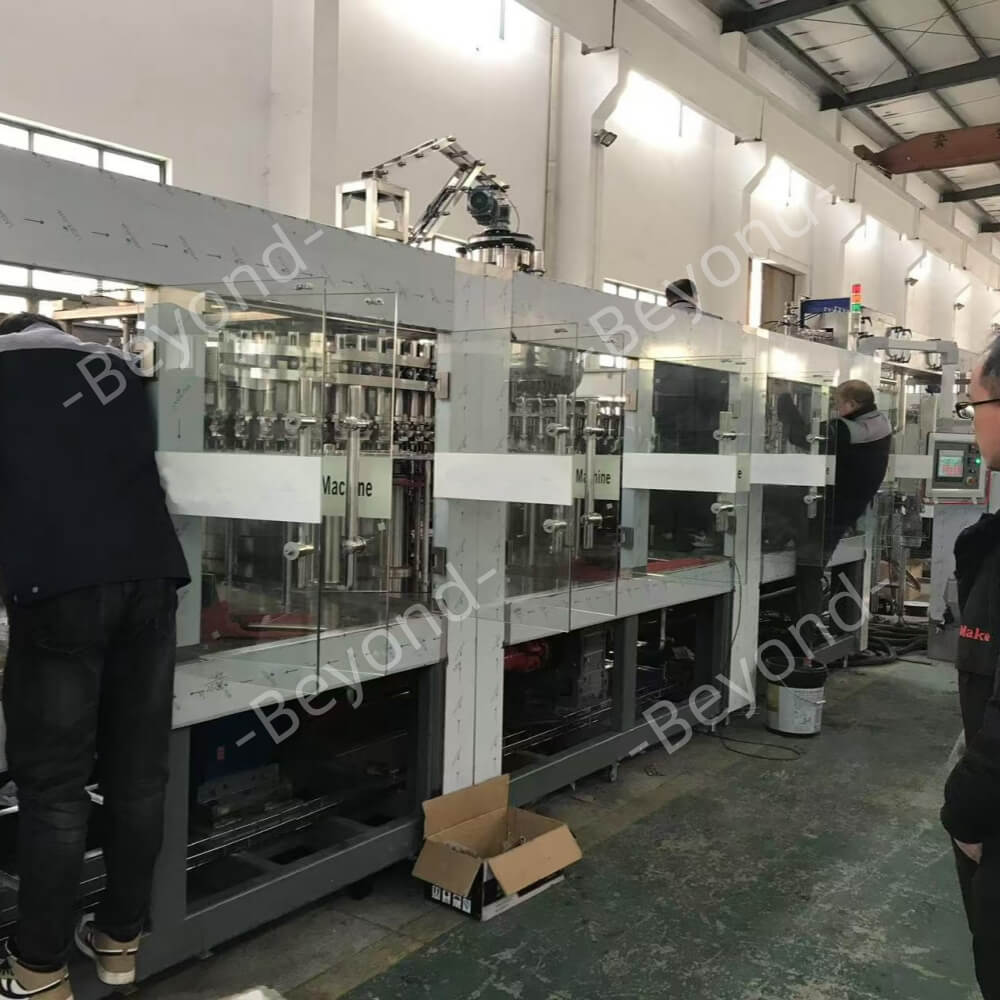
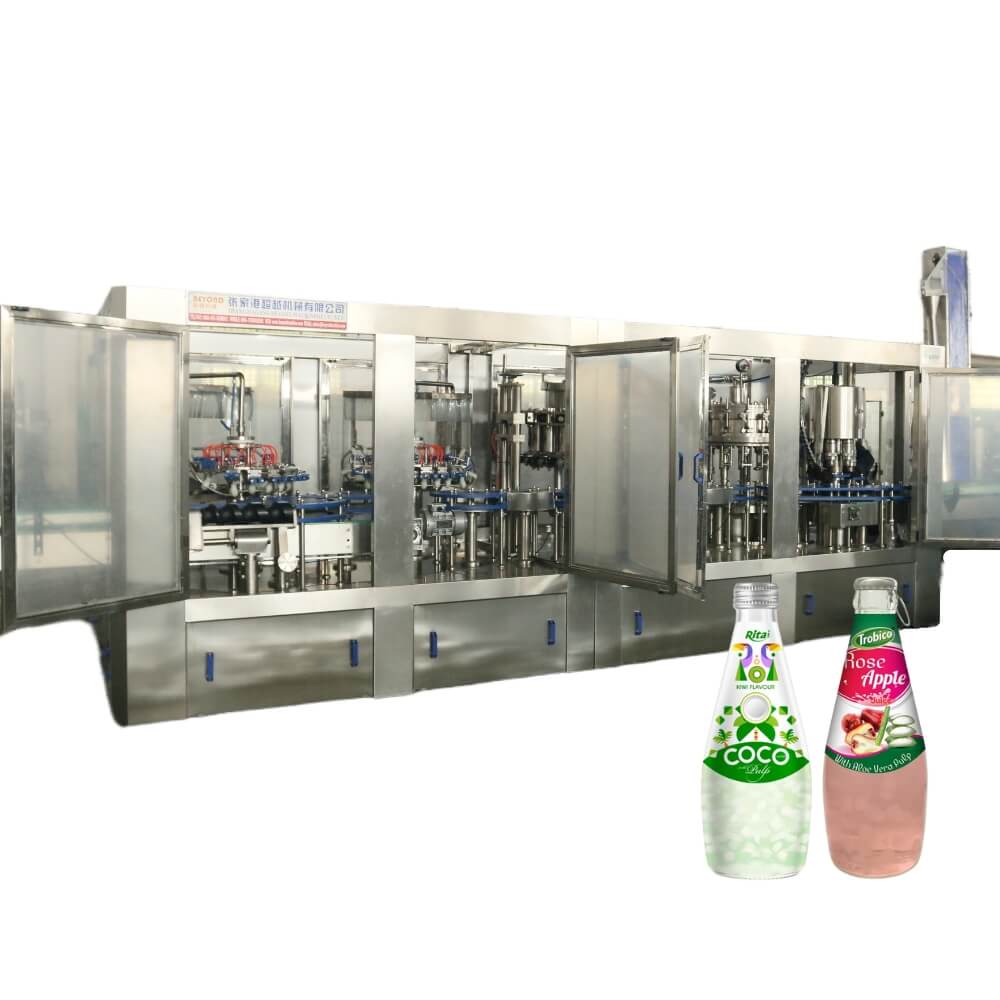
Rotary Hot-Fill Juice Filling Machine for PET Bottles
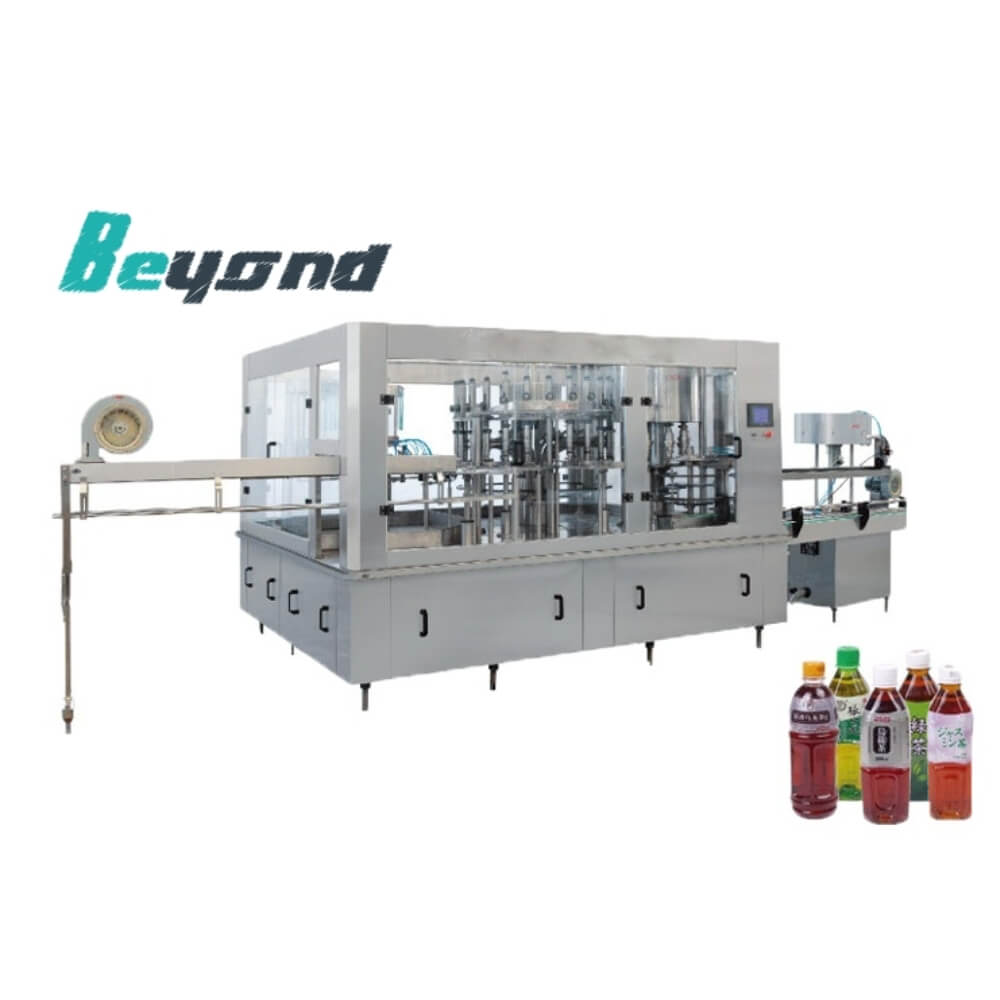
Automatic 3-in-1 Juice Filling Machine for PET Bottles
-
Applications: Clear or colored PET juice, nectar, and RTD tea without heavy pulp
-
Core Advantages:
Rotary 3-in-1 rinse–fill–cap for hot-fill juice; stable fill at speed with 304 stainless product path and optional CIP. -
Fill method: Gravity or low-vacuum valve matched to viscosity and fill temperature
-
Filling Range: 200ml to 2L PET (customizable height range)
-
Production Capacity: 3,000–36,000 BPH depending on monoblock size
-
Typical Applications: Still fruit juice, iced tea, functional drinks in PET
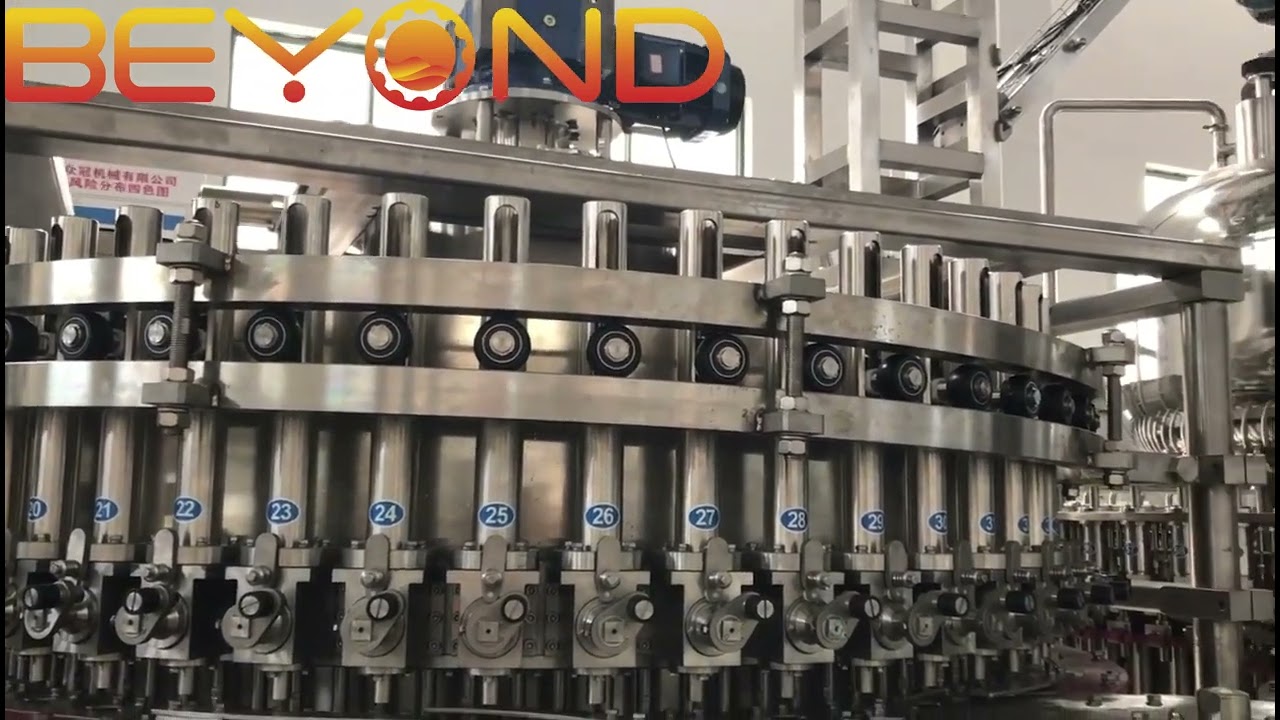
15000BPH 4-in-1 Juice Filling Machine — Pulp Juice Solution
-
Applications: Pulp orange juice, nectar, and fruit pieces in PET
-
Core Advantages:
4-in-1 layout for fruit juice filling machine duty—larger product bore, gentle flow, and CIP paths for pulp and sugar residue. -
Filling Range: 200ml to 1.5L PET (confirm with bottle drawing)
-
Accuracy: ±1–2 mm liquid level (recipe-dependent)
-
Capacity: Up to 15,000 BPH class (quoted to bottle and pulp spec)
-
Pro tip: Send pulp % and particle size before we lock valve design
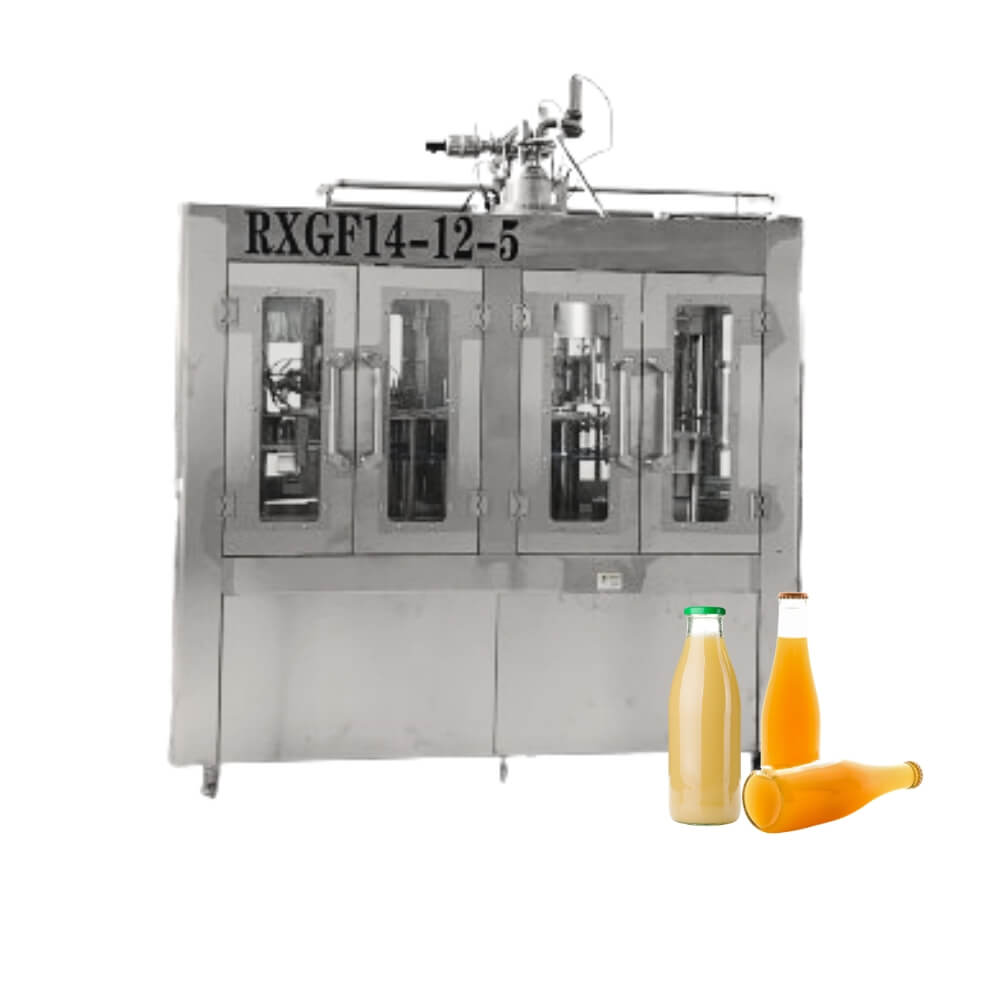
Automatic 3-in-1 Glass Bottle Juice Filling Machine
-
Applications: Glass bottle juice, iced tea, and premium RTD drinks
-
Core Advantages:
Rotary rinser–filler–capper for glass; hot-fill or warm-fill with cap torque control for ROPP or twist-off caps. -
Filling Range: 200ml to 1L glass (height range per quote)
-
Bottle Types: Round and square glass within agreed neck finish
-
Capacity: 2,000–18,000 BPH depending on bottle size
-
Typical Applications: Glass juice bottling machine and tea drink projects
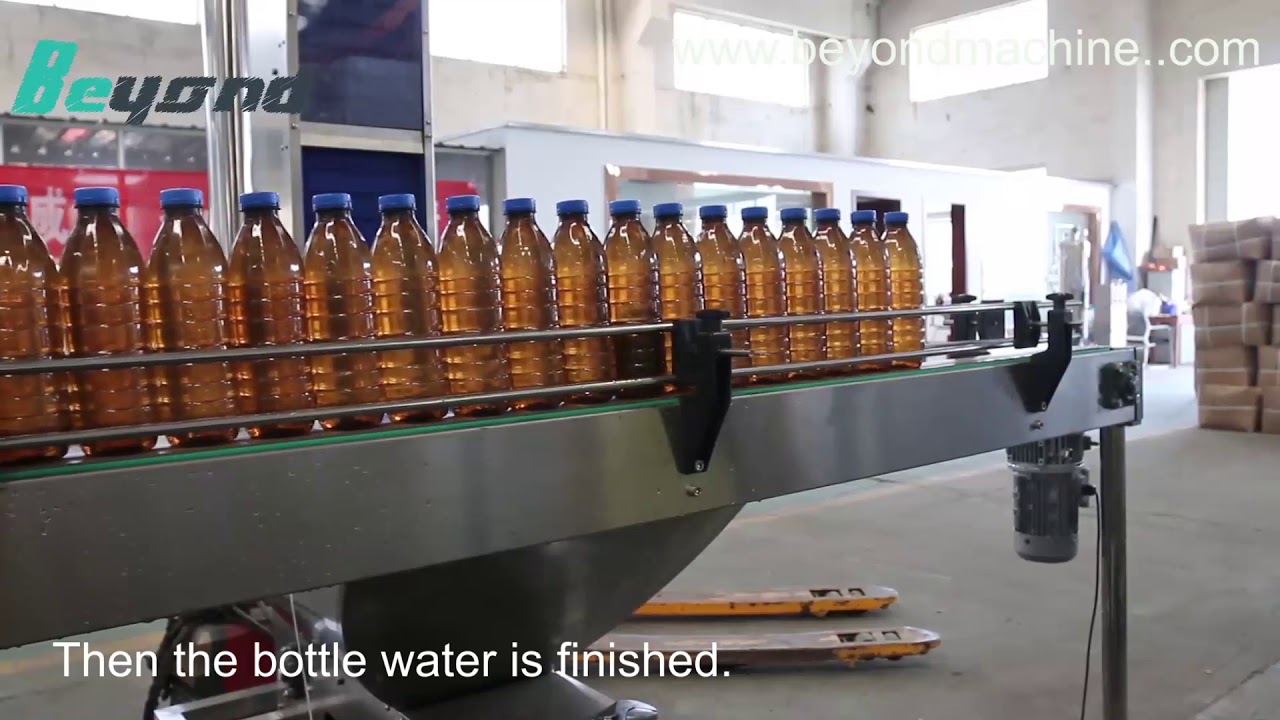
Glass Bottle Juice & Tea Filling Machine
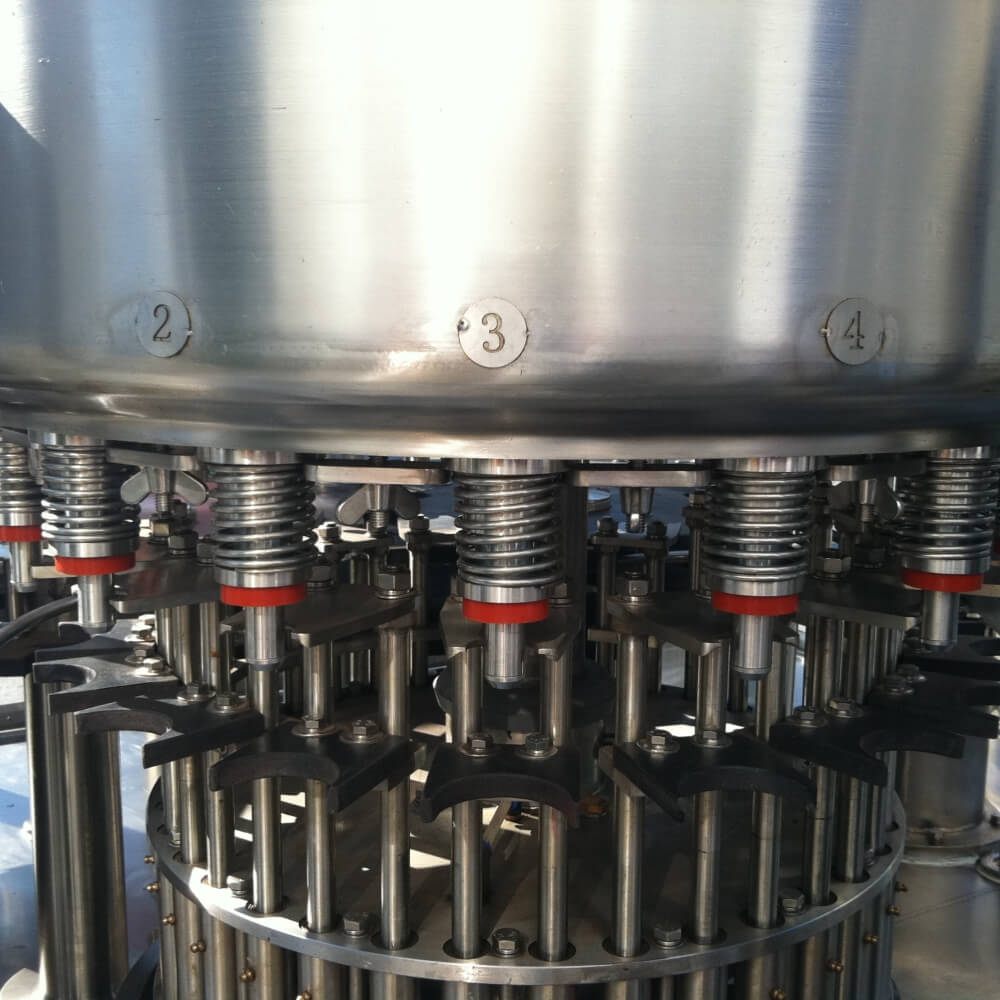
Aluminum Foil Filling & Sealing Machine
-
Applications: Cup and bowl RTD juice, tea, and portion packs
-
Core Advantages:
Fill and foil-seal in one workflow for juice filling and sealing machine projects outside bottle monoblocks. -
Capacity: Up to 24,000 cups/hour (GF series)
-
Combination: Multi-lane fill and seal layouts for export lines
-
Typical Applications: Tea portions, juice cups, sample and retail cups
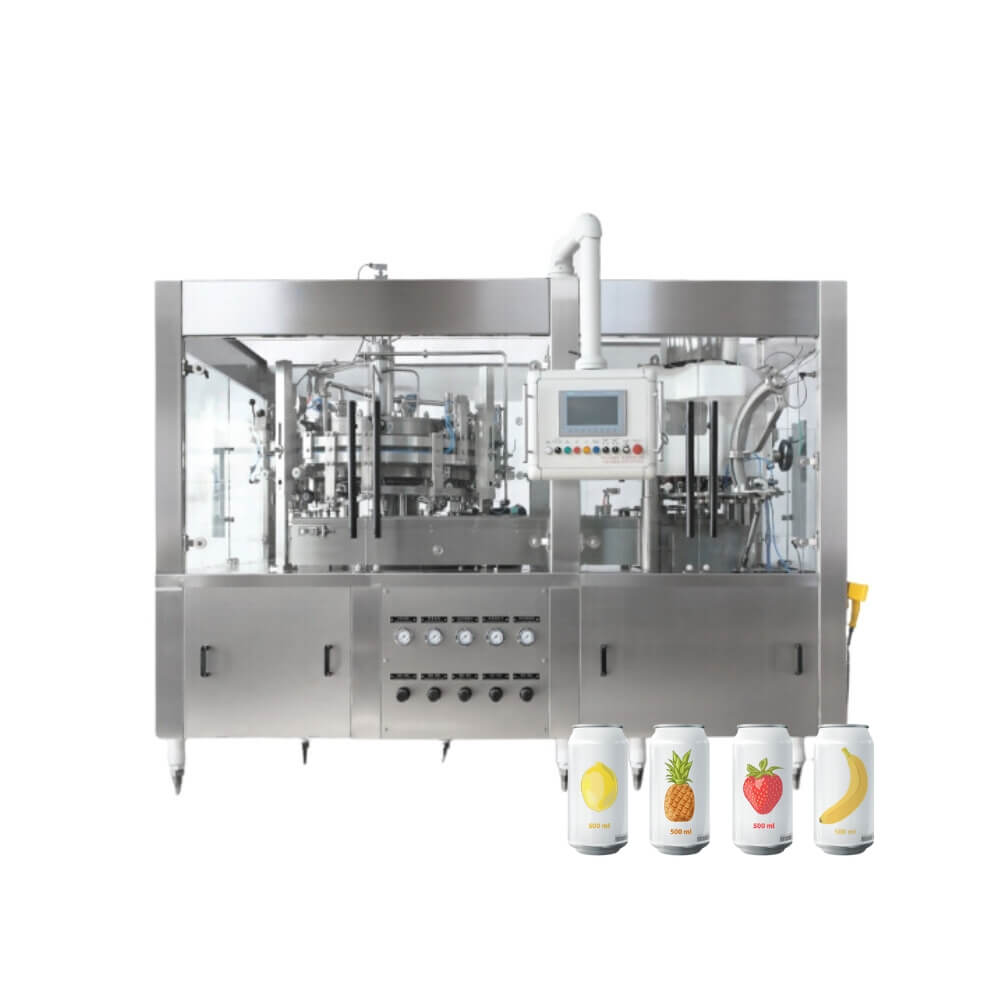
Automatic 2-in-1 Juice Can Filling Machine
-
Applications: RTD juice and tea in aluminum cans
-
Core Advantages:
2-in-1 fill and seaming for cans; hygienic product path and stable seaming for export juice can filling lines. -
Filling Range: 150ml to 500ml standard cans (other formats on inquiry)
-
Accuracy: ±1–2 g or agreed liquid-level band
-
Capacity: 6,000–36,000 CPM class (model-dependent)
-
Typical Applications: Juice can lines alongside PET and glass options
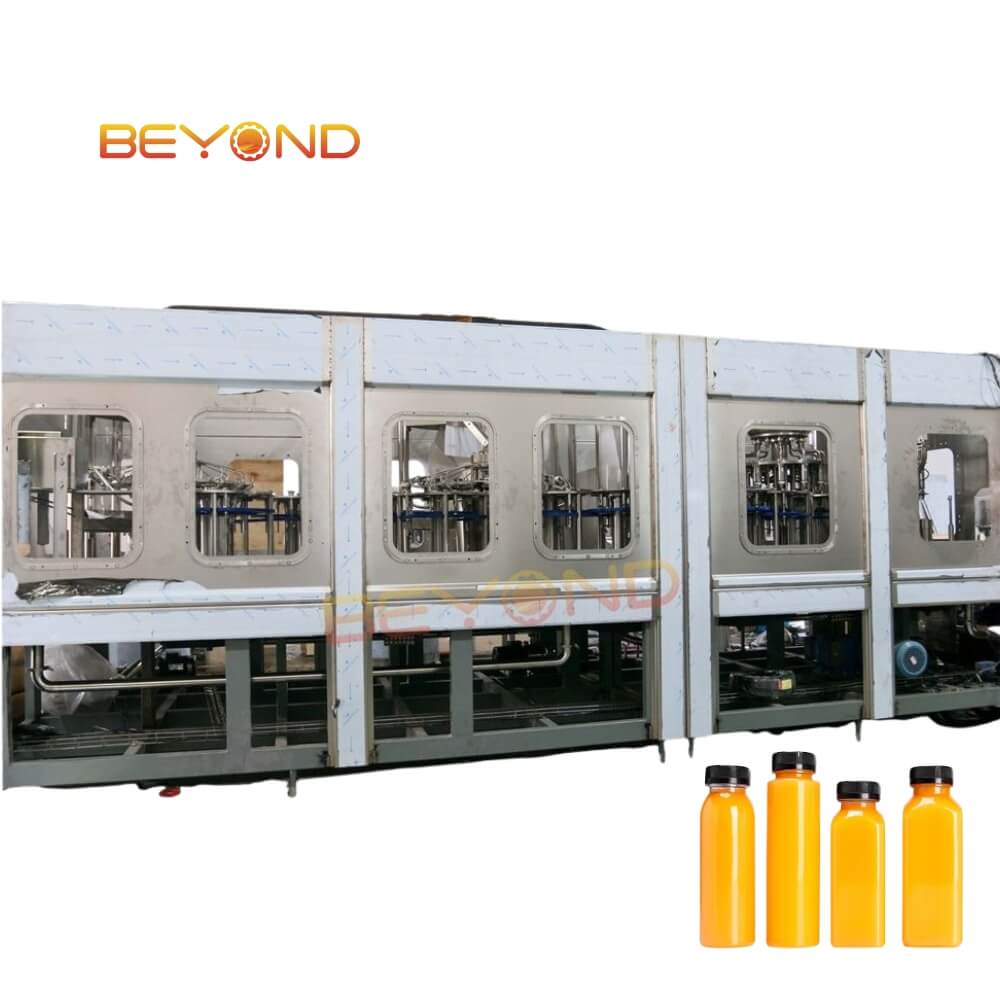
Ultra-Clean Filling Machine for ESL Milk & Juice
-
Applications: ESL juice and dairy-like drinks under defined cold-chain shelf life
-
Core Advantages:
Ultra-clean design for extended shelf life—not full aseptic unless your validation scope requires it; hygienic fill path per project. -
Filling Range: 200ml to 1L PET or HDPE
-
Capacity: Medium-speed hygienic filler (quoted to ESL days and storage temperature)
-
Typical Applications: ESL milk & juice where preservatives are minimized
-
Pro tip: Share target shelf life and cold-chain spec on first inquiry
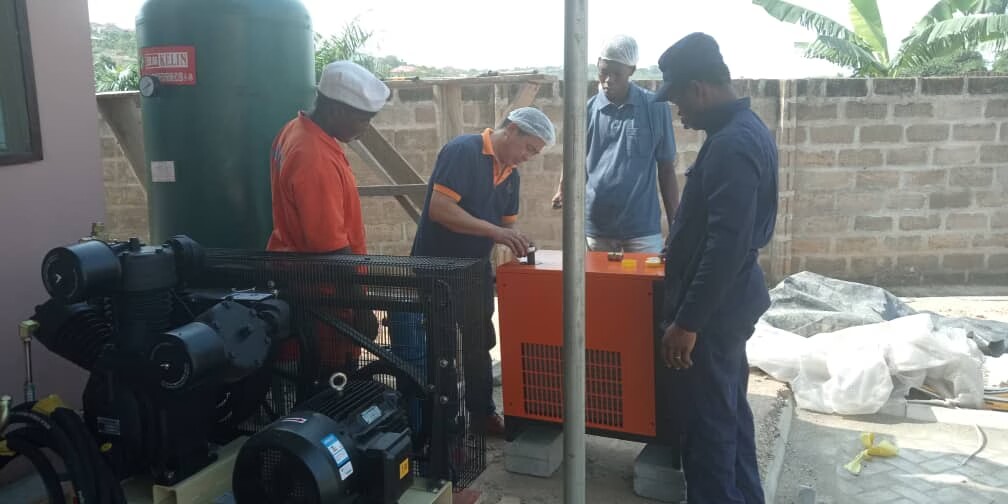
Juice Line Control & Integration
-
Core Advantages:
Centralized PLC control for rinse, fill, cap, and downstream labeling/packing modules on a juice filling line. -
Control System: Siemens PLC + HMI; recipe memory for multiple SKUs
-
Integration: Fill temperature, cap torque, and alarm logging for hot-fill juice duty
-
Applications: Juice, tea, and ESL lines where utilities and line sync are scoped together
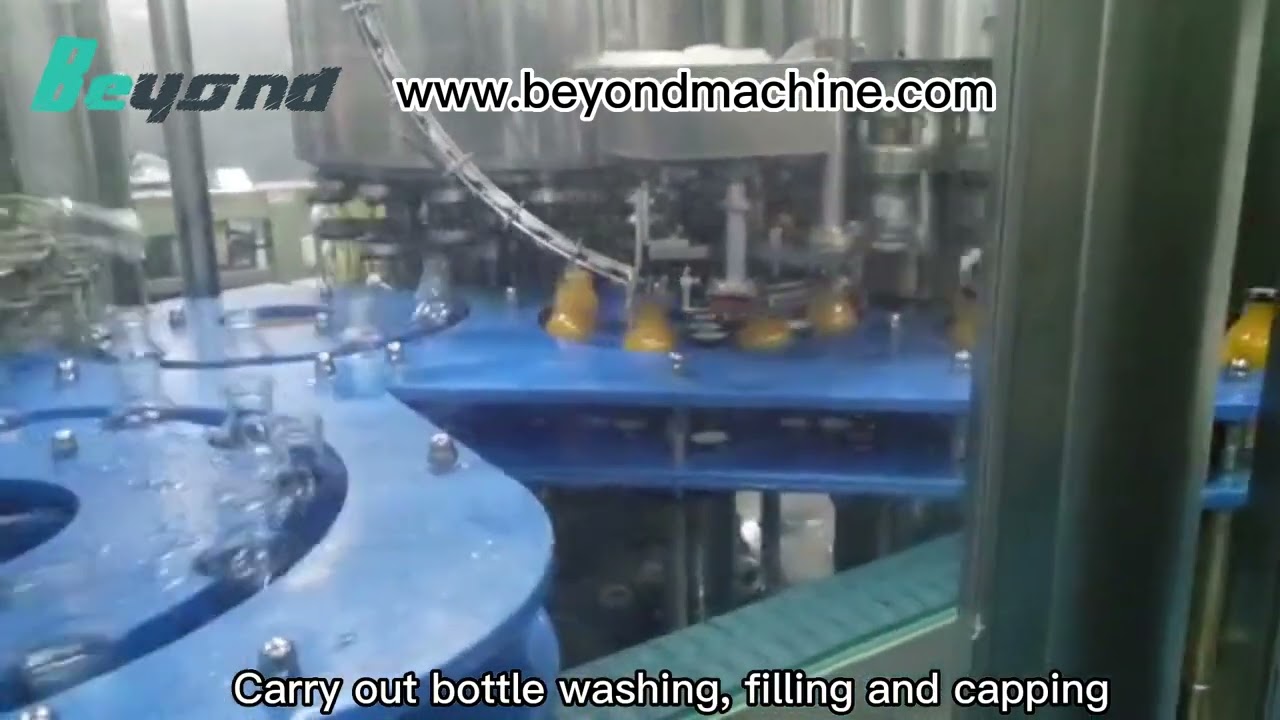
Complete a Whole Juice Filling Line
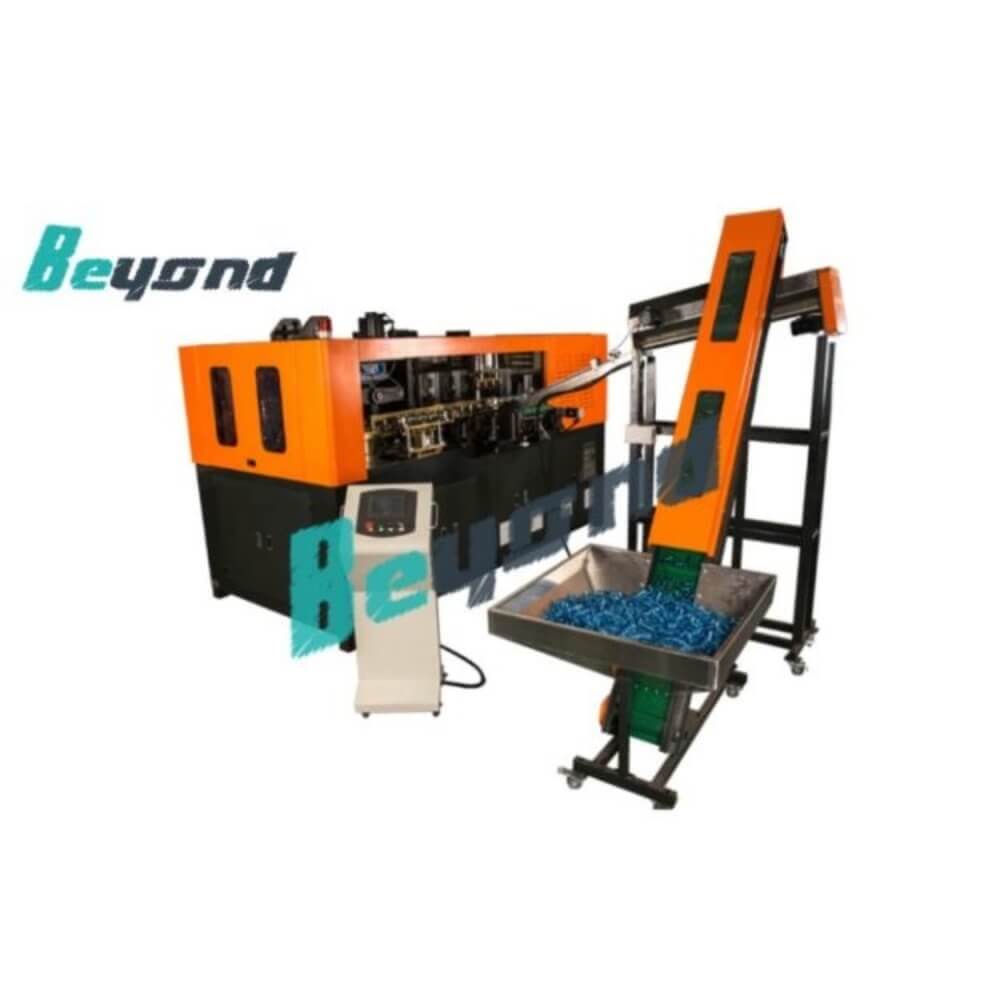
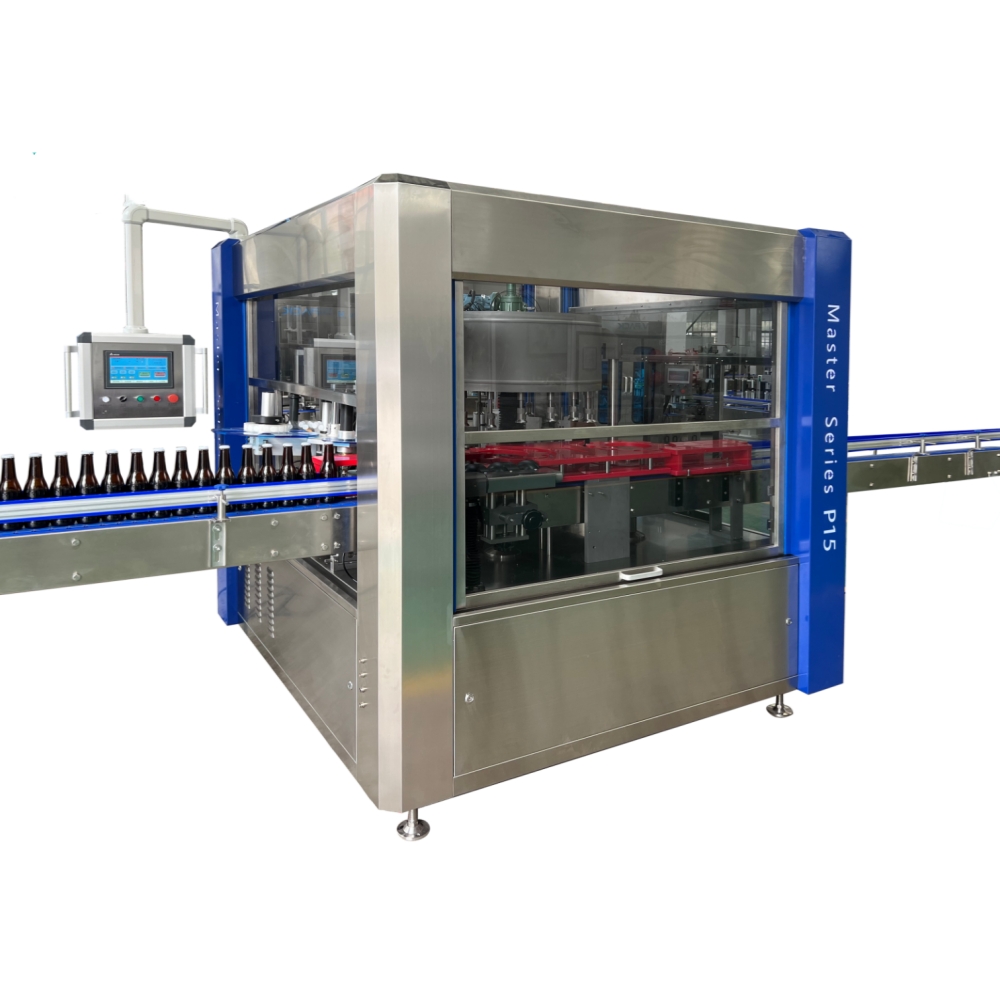
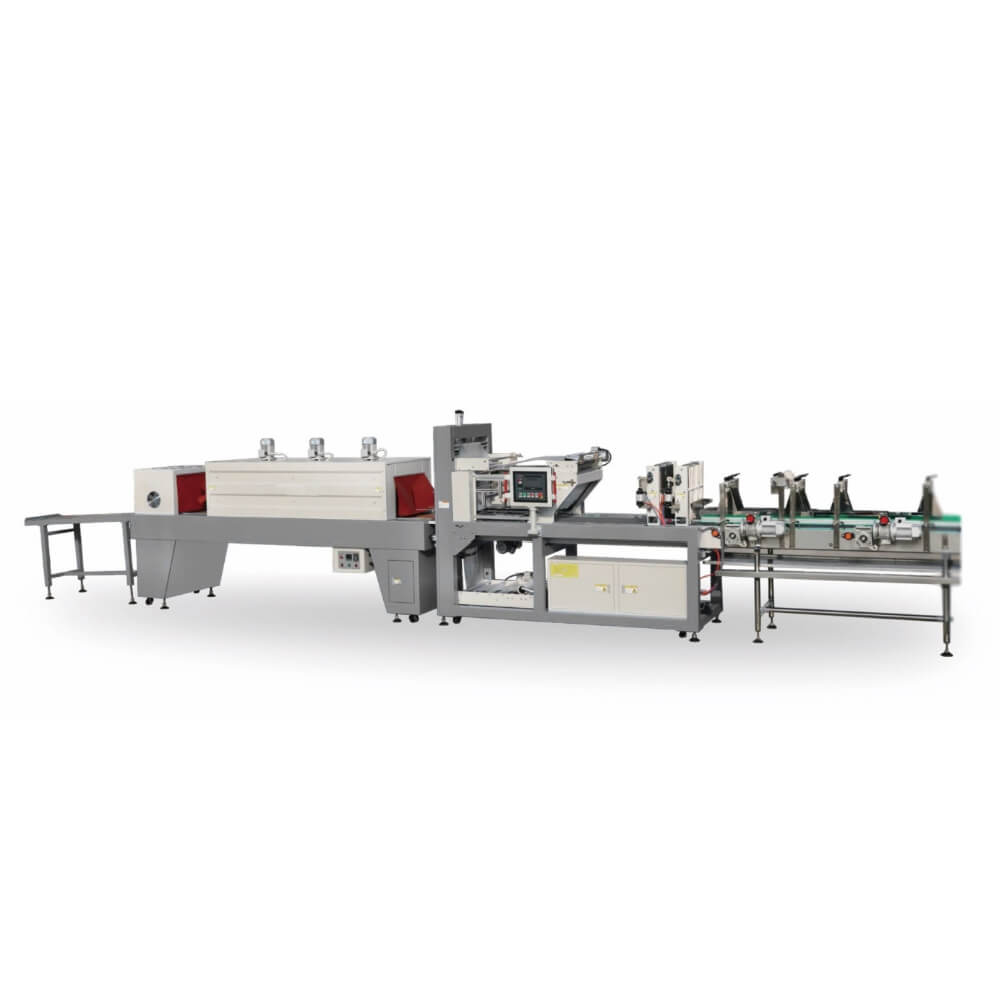
A single juice bottling machine monoblock is rarely the whole factory. A complete fruit juice filling line connects product preparation (blending, heating for hot-fill), container supply (PET blowing or glass depalletizing), the rinse–fill–cap monoblock, labeling, and packing into one export-ready layout. Beyond Machinery scopes which blocks you already own and which we supply—from a fruit juice filling machine core to conveyors, labelers, and shrink or carton packing. Share bottle or can drawing, fill temperature, pulp yes/no, and target BPH/CPM on the first email; we map line speed, CIP requirements, and documentation for your destination country.
Why Choose Us
Customized Solution
Bottle height range, cap type, pulp level, and cleaning protocol (CIP) are quoted from your brief—not from a generic catalog speed table.
Perfect Service
Installation guidance, spare valve kits, and remote support after FAT. 2-year warranty, wear-part replacement, and lifetime technical support per contract.
Drink-specific engineering
Juice viscosity, pulp, and hot-fill parameters drive valve and pipe design—not a water filler with different stickers. PET, glass, can, and cup formats scoped to your market.
Reliable Quality
Beyond Machinery juice filling machines meet applicable national food-equipment standards and carry CE certification. Product-contact parts use stainless steel with repeatable fill levels, stable cap torque, and temperature control suited to hot-fill juice and tea duty.
FAQ for Juice Machine
1. What is the difference between hot-fill and aseptic juice filling?
Answer: Hot-fill heats the product, fills into heat-resistant packaging, then cools—common for PET and glass juice. Aseptic fills sterile product into sterile packaging in a closed system. Our ESL/ultra-clean machines target extended shelf life with cold chain; full aseptic projects need a separate validation scope.
2. Can one juice filling machine handle pulp or fruit pieces?
Answer: Light pulp may run on selected 3-in-1 valves; heavier pulp or fruit pieces usually need a 4-in-1 pulp juice layout with larger product paths and different CIP. Send pulp percentage, particle size, and whether the product settles quickly.
3. PET or glass—which is better for my juice project?
Answer: PET suits hot-fill RTD juice at scale and lower bottle weight. Glass suits premium positioning, returnable pools, and some tea products. Cost, logistics, and local consumer preference decide—not the filler alone.
4. Does the machine work for tea drinks as well as fruit juice?
Answer: Yes—many tea filling machine inquiries use the same hot-fill monoblocks as juice, with adjustments for acidity, foaming, and fill temperature. Cup/tea formats may use foil seal equipment instead of bottle monoblocks.
5. How accurate is fill level on a juice bottling machine?
Answer: Accuracy depends on valve type (gravity, vacuum, flowmeter), temperature stability, and whether the product foams. We quote against your bottle size and acceptable tolerance band—not a single generic number for all recipes.
6. Can you integrate labeling and packing after the filler?
Answer: Yes. Most export lines add labeling and packing modules. We can outline a single-line flow on the first layout sketch.
7. What information do you need for a juice filling machine quote?
Answer: Bottle or can drawing, cap type, product type (still juice / pulp / tea / ESL), fill temperature, target speed (BPH or CPM), and factory utilities. Recipe with Brix and pulp spec helps valve selection.
8. How difficult is cleaning (CIP) on juice equipment?
Answer: Juice and tea lines require validated CIP—not a single water flush. Typical sequences run caustic wash, acid rinse, and sanitizer with defined temperature, flow rate, and contact time for the rinser, filler bowl, product piping, and cap track. Sugar films and pulp residue adhere more strongly than on still-water lines, so we design drain points, spray coverage, and inspection access for your SKU (clear juice vs. pulp nectar). The agreed cleaning recipe is run at FAT with step-by-step SOPs; pulp or high-Brix formulas may need extra intermediate flushes and periodic manual checks on valve seats and product hoses.
9. Is the equipment export-ready?
Answer: We supply English documentation, layout drawings, and voltage options for overseas installation. Destination country helps us align electrical and compliance questions early.
General FAQ
What are the payment methods?
Payment terms are flexible—typically T/T (telegraphic transfer). L/C may be arranged for qualified projects; confirm on the proforma invoice.
How long is the delivery time?
Lead time depends on model, customization, and production schedule—confirmed on the quotation after specs are fixed (often 7–45 days after deposit once samples and contract terms are agreed).
How long is the warranty period?
We provide a 2-year warranty on the machine, free replacement of wear parts during the warranty period (excluding consumables such as seals, filters, and other parts consumed in normal operation), and lifetime technical support—remote troubleshooting by video or email, spare-parts guidance, and optional on-site commissioning can be scoped in your contract.
How about the quality of the equipment?
FAT (factory acceptance test) with your bottles and product—or agreed substitute—is the checkpoint before shipment. Juice lines often include fill temperature and cap torque checks.
How to place an order and what services are provided?
Inquiry → layout proposal → quotation → contract → production → FAT → shipment → installation guidance. Scope CIP training and spare kits in writing.
How about technical support and after-sales service?
We provide lifetime technical support together with the 2-year warranty—remote troubleshooting by video or email, spare-parts guidance, and free replacement of wear parts during the warranty period (consumables excluded). Hot-fill parameter backup and a recommended spare valve list help reduce downtime. On-site commissioning or emergency visits can be scoped in your contract.
How about the price and cost-effectiveness?
Price follows output, valve type, automation level, and line scope. Comparing only price per head without pulp or temperature spec usually wastes time.
What about security and compliance?
Food-contact materials and electrical safety are built to agreed standards. List destination-market certifications in your inquiry so we confirm before production.
Is there customization capability?
Yes—bottle height range, cap type, pulp level, and CIP protocol are quoted from your brief, not a generic catalog table.
What about the failure rate and maintenance convenience?
Mature hot-fill and monoblock designs with defined CIP paths. Pulp lines need extra maintenance attention; we document cleaning and spare valve lists at handover.

